Fiber Optic Cable

The Importance and Advantages of Fiber Optic Cables
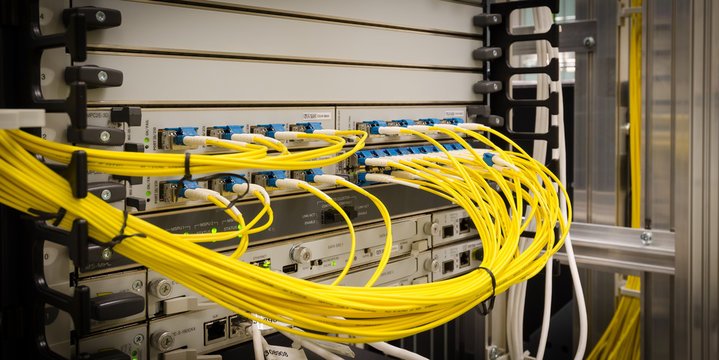
Fiber optic cables are advanced transmission mediums that carry data as pulses of light through thin strands of glass or plastic fibers. They provide extremely high-speed internet and communication services, while being resistant to electromagnetic interference, unlike traditional copper cables. These cables can transmit data over long distances with minimal signal loss, making them ideal for modern telecommunications, networking, and even medical imaging applications. Fiber optic technology plays a crucial role in enabling fast, reliable, and globally connected networks.
Fiber Optic Cables: The Backbone of Modern Communication
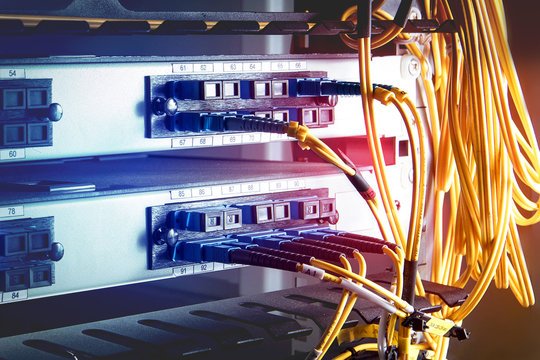
Fiber optic cables are one of the most advanced technologies in data transmission today. Unlike traditional copper cables that carry electricity, fiber optics transmit data as pulses of light through extremely thin strands of glass or plastic fibers. This unique mechanism allows for much faster data speeds and significantly higher bandwidth, making fiber optics the preferred choice for high-speed internet, telecommunications, and digital networks.
One of the biggest advantages of fiber optic cables is their ability to transmit large amounts of data at incredibly high speeds. Internet connections using fiber optics can reach gigabit and even multi-gigabit speeds, which is essential for streaming high-definition content, online gaming, cloud computing, and other data-intensive applications.
Reliability and Minimal Signal Loss
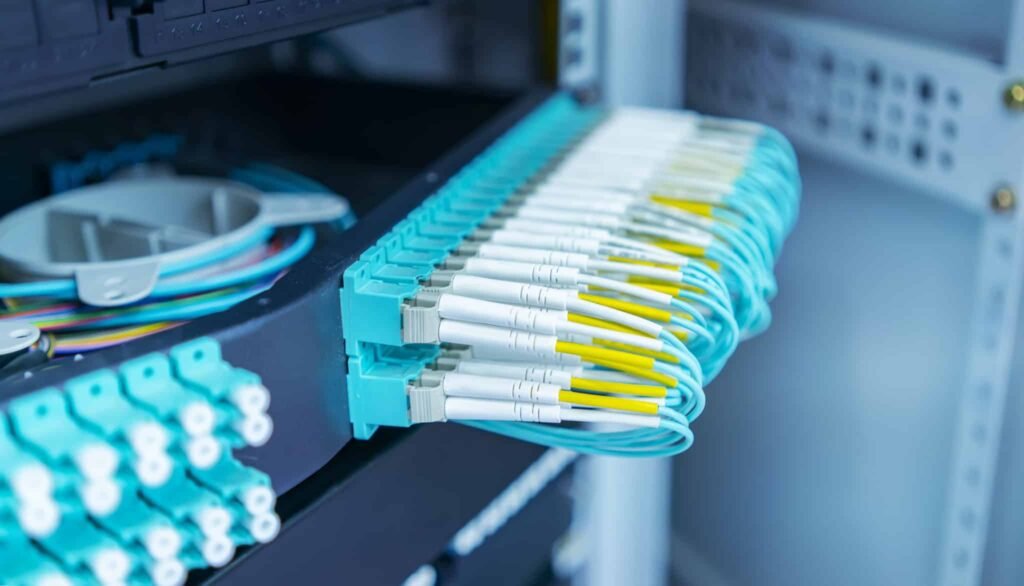
Fiber optic cables are highly reliable compared to traditional copper cables. They are resistant to electromagnetic interference, temperature fluctuations, and harsh environmental conditions. Additionally, fiber optics experience minimal signal loss over long distances, which ensures consistent performance in long-haul communication networks.
Applications of Fiber Optics
Fiber optic technology is widely used across various industries:
Telecommunications: Backbone for internet and phone networks worldwide.
Networking: Data centers and enterprise networks rely on fiber for fast and secure connectivity.
Medical Applications: Used in medical imaging, endoscopy, and laser surgeries.
Defense and Aerospace: Fiber optics are used in secure communication and navigation systems.
Cost-Effectiveness and Future Growth
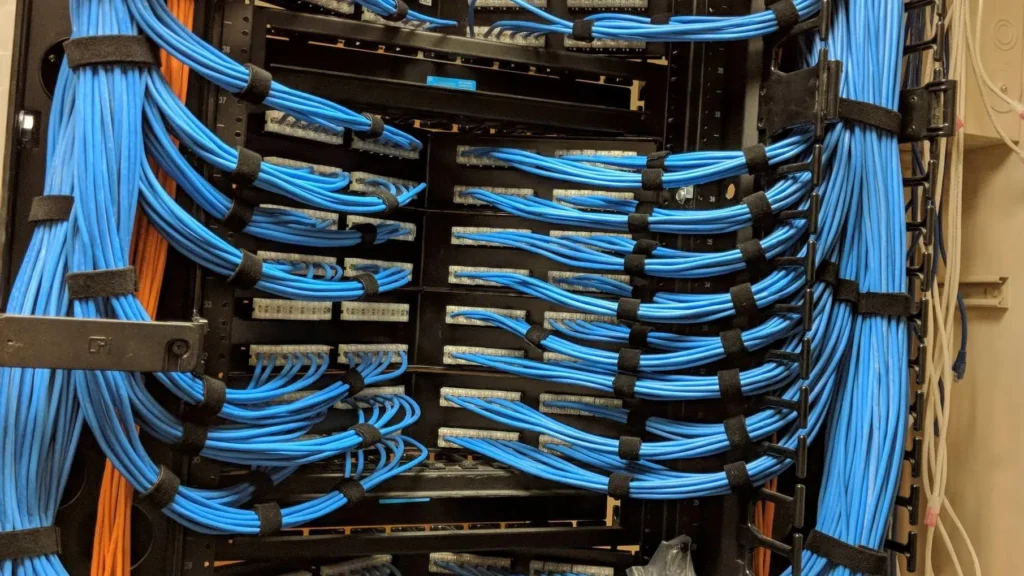
Although the initial installation cost of fiber optic cables can be higher than copper cables, their durability, low maintenance requirements, and high performance make them cost-effective in the long run. As demand for high-speed internet and large-scale data transmission continues to grow, fiber optic networks are rapidly expanding across urban and rural areas alike.
The Role of Fiber Optics in Global Connectivity
Fiber optic cables are the backbone of the global internet. They connect continents through undersea cables, enabling seamless communication across the world. Modern technologies such as 5G, cloud computing, and smart cities heavily rely on the high-speed, reliable connectivity that fiber optic cables provide.
Conclusion
Fiber optic cables have revolutionized the way we transmit and receive information. With unmatched speed, reliability, and scalability, they are central to modern communication networks, supporting everything from internet services to critical medical and defense systems. As technology continues to advance, fiber optics will remain the key infrastructure driving global connectivity and digital innovation.